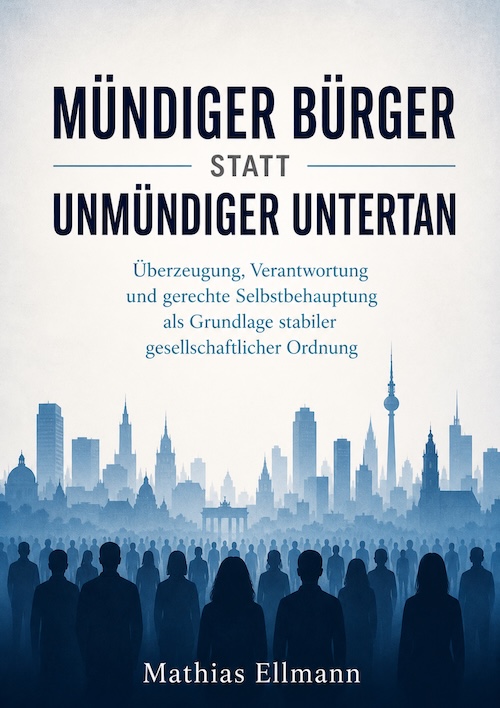
Mündiger Bürger statt unmündiger Untertan
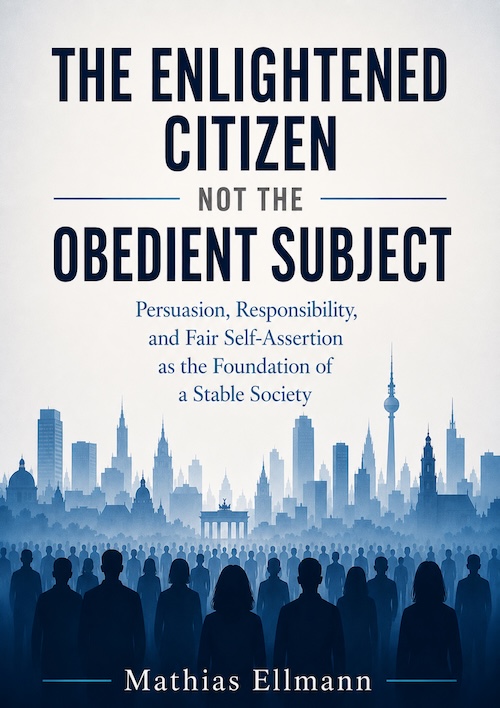
The German edition of The Enlightened Citizen, Not the Obedient Subject: a book about persuasion, responsibility, enlightened citizenship, and stable social order.
Persuasion, Responsibility, and Fair Self-Assertion as the Foundation
of a Stable Society
by Mathias Ellmann
ISBN: 978-3-6952-6310-3
Modern societies face a fundamental question: Is stable order created through obedience and control, or through persuasion, insight, and responsible consent?
The Enlightened Citizen, Not the Obedient Subject examines why freedom and order need not be opposites when citizens exercise sound judgment, assume responsibility, and practice Fair Self-Assertion.
The book focuses on enlightened citizenship, responsibility, legitimate power, persuasion, education, democracy, leadership, law, autonomy, and Fair Self-Assertion.
It combines philosophical foundations, psychological insights, ethical analysis, and practical perspectives for everyday life, organizations, education, and democratic culture.
The book is intended for citizens, teachers, students, managers, organizations, educational institutions, consultants, and readers who want to understand enlightened citizenship, responsibility, democracy, legitimate power, and stable social order more clearly.
The English-language eBook edition of The Enlightened Citizen, Not the Obedient Subject is available from Amazon.
Why stable order does not arise through blind obedience, but through judgment, personal responsibility, and responsible consent.
How insight, justification, participation, and trust can create more sustainable commitment than control and sanctions alone.
Motivation, Goal, Spontaneous Processing, Logical Processing, and Conclusion as the stages through which sound and lasting persuasion can emerge.
Why democratic order depends on enlightened citizens who examine decisions, weigh arguments, participate, and assume responsibility.
Education as a prerequisite for freedom: understanding, questioning, examining reasons, and developing judgment instead of merely reproducing knowledge.
Expressing and defending one's own position clearly, respectfully, and responsibly without acting dominantly, manipulatively, or submissively.
An English-language presentation accompanying The Enlightened Citizen, Not the Obedient Subject is currently being prepared.
The presentation will provide a concise and visually structured introduction to the book's central themes: freedom and order, enlightenment and submission, coercion and obedience, persuasion and responsibility, the Five-Stage Model of Persuasion, Fair Self-Assertion, democracy, education, law, and legitimate power.
Once available, the presentation will be viewable directly in the browser and downloadable as a PDF.
The German edition of The Enlightened Citizen, Not the Obedient Subject: a book about persuasion, responsibility, enlightened citizenship, and stable social order.
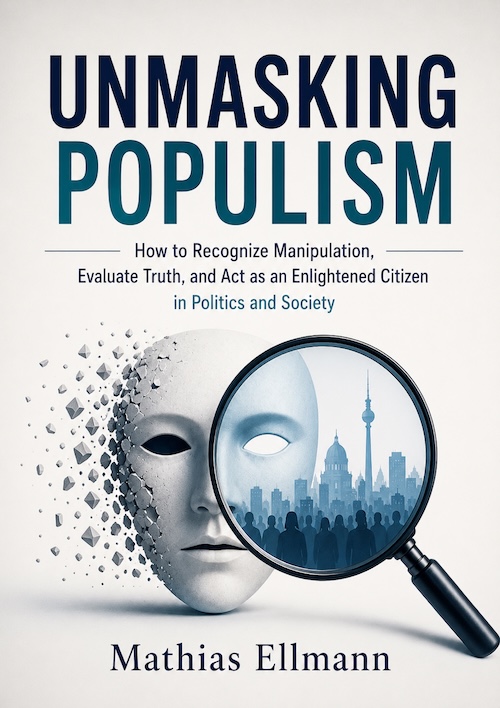
A book about recognizing manipulation, evaluating truth, examining political communication, and strengthening democratic judgment.
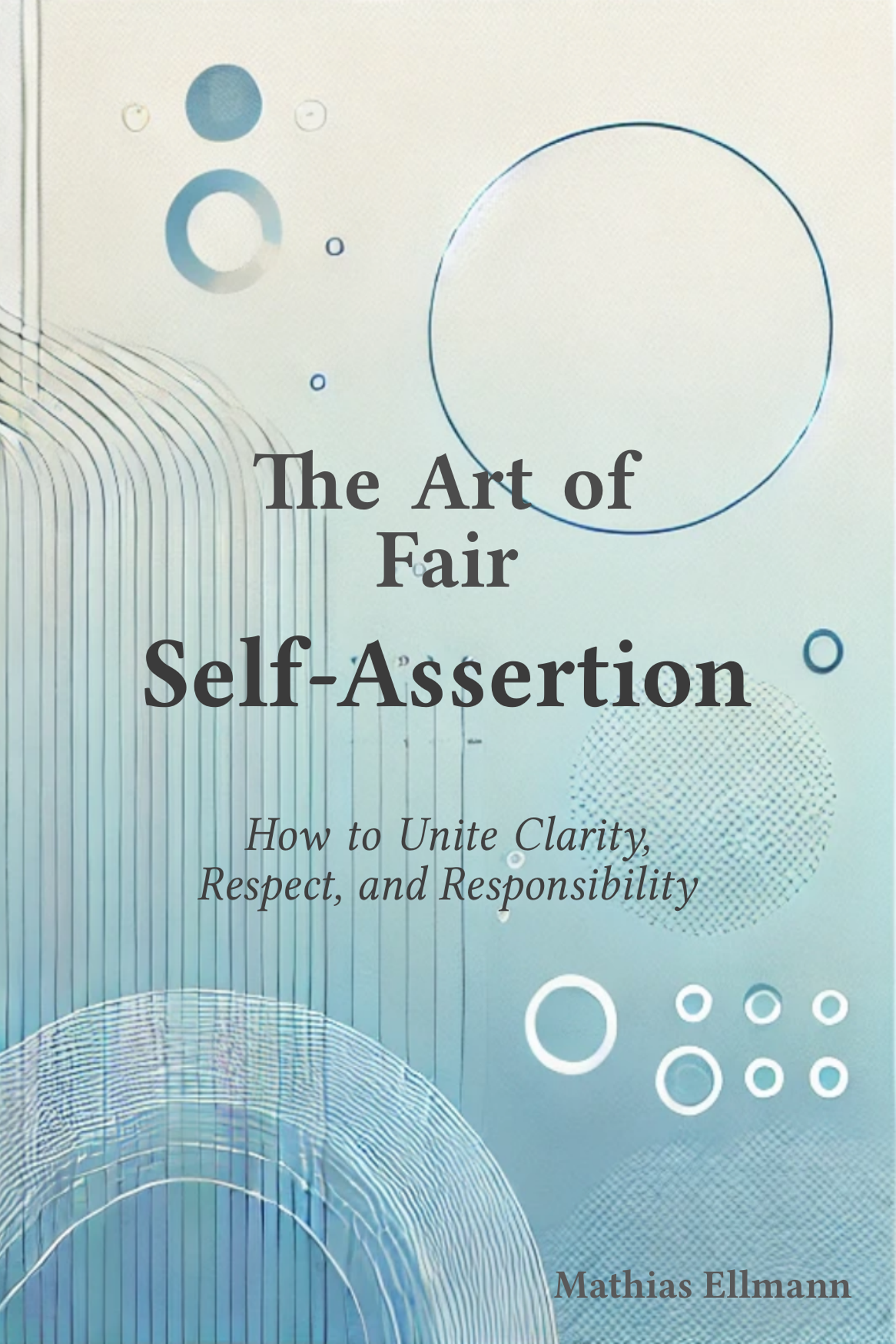
A practical book about clarity, respect, responsibility, boundaries, and expressing one’s position without dominance, manipulation, or submission.
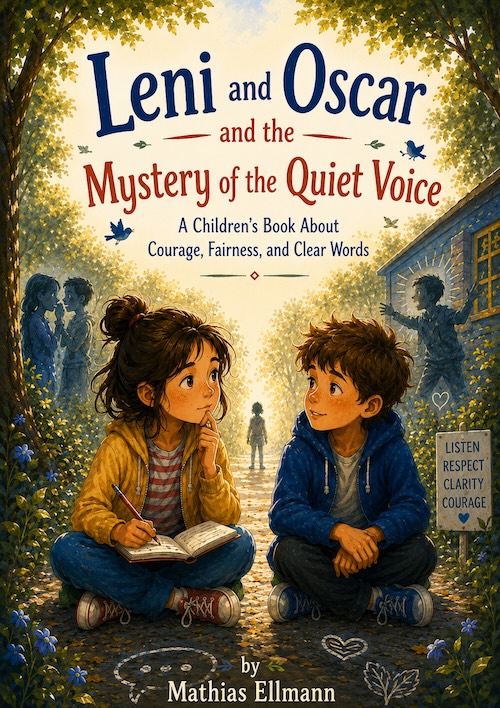
A children’s book about courage, fairness, setting boundaries, listening, and finding one’s own voice.
The book examines how a stable social order can emerge without relying solely on coercion, control, or blind obedience. It focuses on enlightened citizenship, responsibility, persuasion, legitimate power, democracy, education, and Fair Self-Assertion.
The book is intended for citizens, teachers, students, managers, organizations, educational institutions, and anyone seeking a deeper understanding of enlightened citizenship, responsibility, democracy, and stable social order.
Enlightened citizenship means the ability to understand, exercise sound judgment, examine reasons, assume responsibility, and express one's own positions clearly, respectfully, and responsibly.
The obedient subject follows instructions out of fear, habit, conformity, or convenience. The enlightened citizen acts on the basis of insight, examines reasons, assumes responsibility, and consciously contributes to social order.
Persuasion is presented as a foundation of stable social order. An order based on comprehensible reasons, insight, responsible consent, and participation is more sustainable than one maintained only through control and coercion.
No. The book distinguishes illegitimate submission from legitimate coercion. Coercion may be necessary to protect rights or preserve basic public order, but it must be justified, limited, proportionate, and subject to review.
Fair Self-Assertion is the ability to express and defend one's own positions clearly, respectfully, and responsibly without acting dominantly, manipulatively, or submissively. The book presents it as a practical form of enlightened citizenship.
Democracy depends on people who examine decisions, weigh arguments, assume responsibility, and participate actively in public life. Without enlightened citizenship, conformity, manipulation, mistrust, and fragile social order become more likely.
Yes. Its content is suitable for lectures, workshops, and moderated reflection formats in civic education, organizations, leadership, educational institutions, and socially engaged groups.
The book's content can be adapted as a lecture, workshop, or moderated reflection format for educational institutions, organizations, managers, teams, civic education, and socially engaged groups.
The focus is on practical questions: How does stable social order emerge? When is coercion legitimate? How does genuine persuasion arise? Why does democracy need enlightened citizens? And how can Fair Self-Assertion be practiced in everyday life?
Analyze the relationship between freedom, order, responsibility, autonomy, and social stability.
Work with the Five-Stage Model of Persuasion: Motivation, Goal, Spontaneous Processing, Logical Processing, and Conclusion.
Reflect on democratic culture, leadership, education, law, legitimate power, and Fair Self-Assertion.
For enquiries about books, lectures, training programmes, or professional collaboration: