Leni and Oscar and the Secret of the Ballet Tree
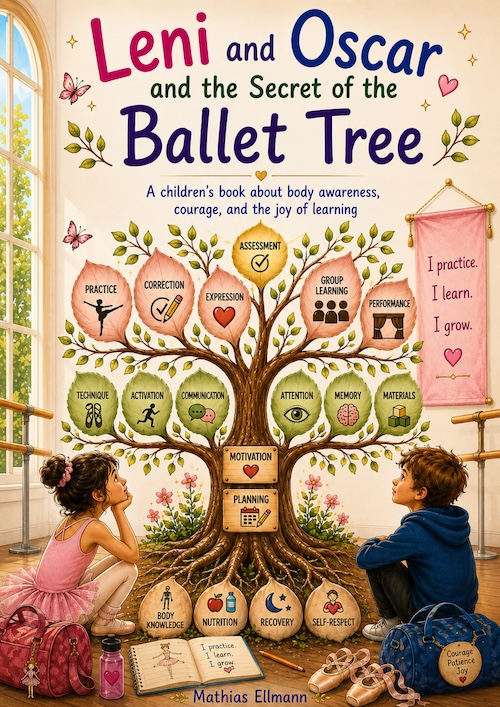
Another story with Leni and Oscar about body awareness, courage, patience, ballet, and the joy of learning.
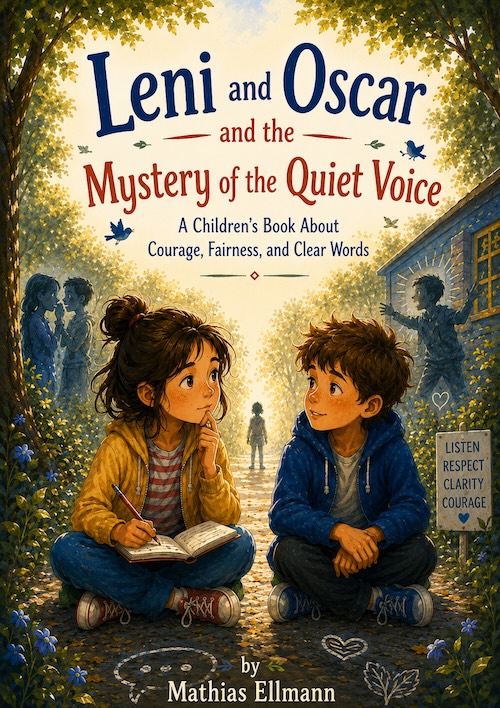
A Children’s Book About Courage, Fairness, and Clear Words
by Mathias Ellmann
ISBN: 978-3-6952-6255-7
Some children notice very clearly when something is wrong, but they stay quiet. Others want to help immediately and become louder than they meant to be. This book tells the story of a third way: speaking clearly, staying fair, and taking responsibility.
Leni and Oscar and the Mystery of the Quiet Voice is a literary children’s story about self-assertion, listening, courage, and fair communication.
At the center are Leni and Oscar. Leni notices many things that others overlook, but her voice often stays quiet. Oscar recognizes unfairness quickly and wants to help, but sometimes he runs faster than his thoughts can follow. Together they learn that courage does not have to be loud and that clear words can be stronger than shouting.
The book is aimed at elementary school children as well as parents, teachers, educators, school social workers, libraries, bookstores, families, and everyone who supports children in their social and emotional development.
The book is suitable for children, families, schools, libraries, and educational institutions.
| Title | Leni and Oscar and the Mystery of the Quiet Voice |
|---|---|
| Subtitle | A Children’s Book About Courage, Fairness, and Clear Words |
| Author | Mathias Ellmann |
| Format | eBook |
| ISBN | 978-3-6952-6255-7 |
Why children sometimes stay silent even though they have something important to say.
How children can learn to stand up for themselves and others without becoming loud or hurtful.
How small schoolyard situations can reveal larger questions of justice and responsibility.
How simple sentences can help children set boundaries and handle difficult moments with language.
Why attention and empathy matter, but only become effective when joined with courage.
How children discover that words, silence, and actions have consequences.
Leni sees a lot. She notices glances, undertones, and unfairness. But sometimes her voice stays quiet, even when she wants to say something important.
Oscar wants to help, protect, and speak up. When something is unfair, he runs off immediately. But sometimes he is faster than his thoughts.
The Whisperer stands for the false path of staying silent out of fear. She promises safety, but can lead to unfairness remaining unspoken.
The Shouter stands for the mistake of confusing loudness with strength. He shows how courage without calm can itself become unfair.
The Twister stands for language that shifts responsibility and blurs the truth. The book shows children why honest words matter.
Ms. Sommer accompanies the children with calm and clarity. She helps them understand conflicts without forcing ready-made answers on them.
The book takes small everyday conflicts seriously. It shows that children need not only rules but also language: words with which they can say what they see, what they feel, what they need, and where their boundary is.
This makes the story suitable as a discussion starter for social learning, classroom community, conflict resolution, bullying prevention, empathy, self-assertion, and responsible communication.
A book that opens conversations about conflict, fear, courage, saying no, and fairness.
A narrative approach to classroom community, language, boundaries, and responsibility.
A story with characters who are not perfect and are therefore relatable.
Another story with Leni and Oscar about body awareness, courage, patience, ballet, and the joy of learning.
Leni und Oskar und das Rätsel der leisen Stimme ist auch auf Deutsch erhältlich.
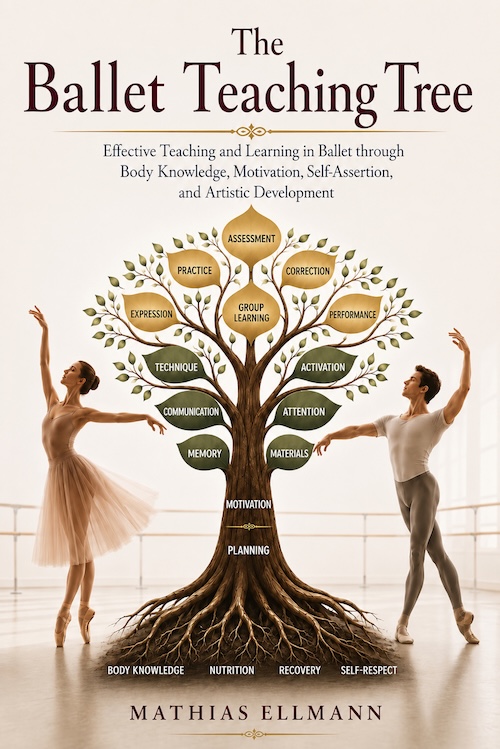
A specialist book about teaching, learning, body awareness, motivation, correction, and responsible ballet education.
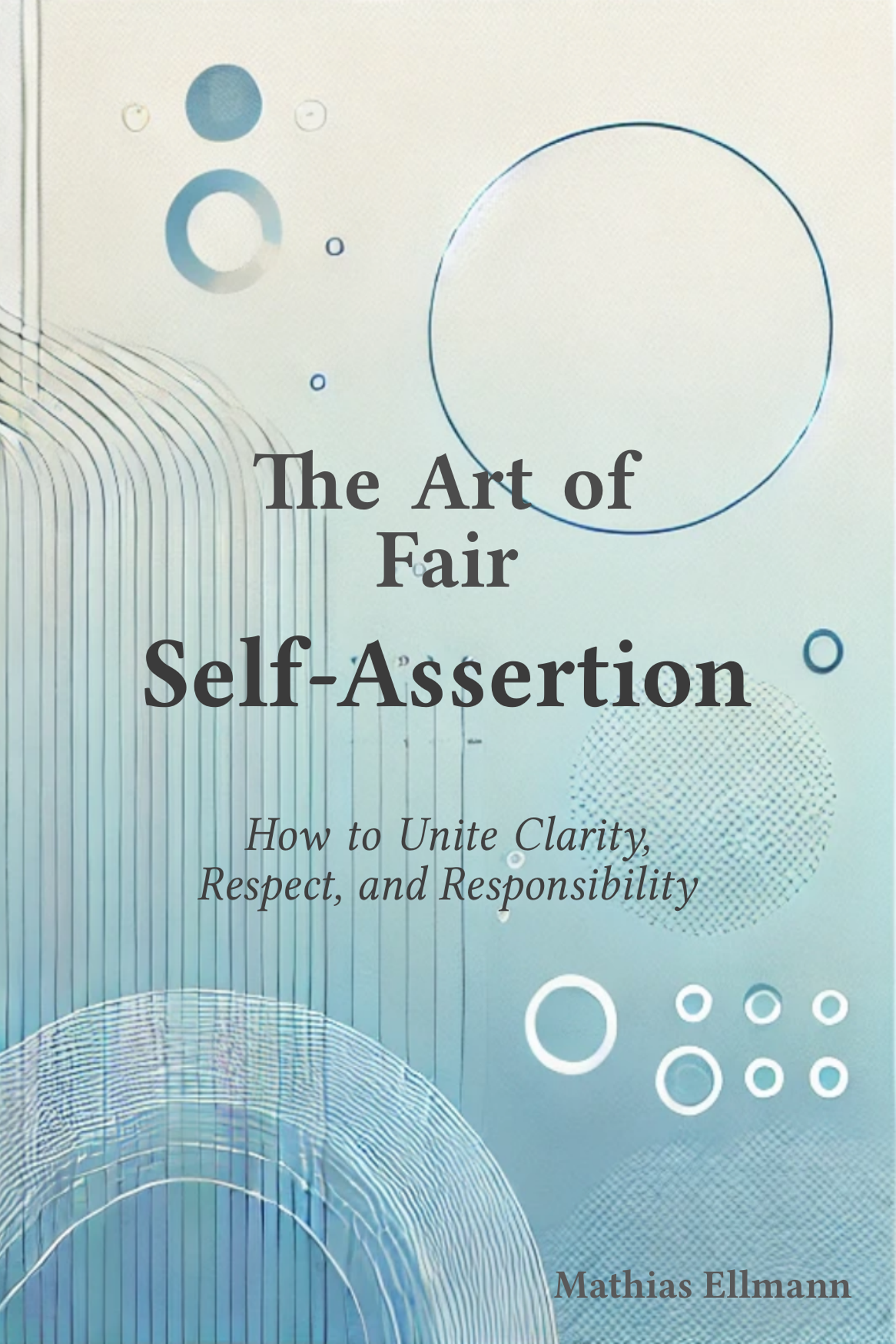
This non-fiction book explores self-assertion, fairness, responsibility, boundaries, and clear communication in greater depth.
The book tells the story of two children who learn to deal with conflicts fairly and clearly. Leni notices a lot but often stays quiet. Oscar wants to help but sometimes acts too quickly. Together they discover that a voice does not have to be loud to be strong.
The book is especially suitable for elementary school children as well as parents, teachers, educators, school social workers, libraries, and everyone who supports children in their social and emotional development.
Central themes include courage, fairness, clear words, listening, saying no, self-assertion, respect, responsibility, conflict behavior, bullying prevention, and dealing with difficult situations in school life.
The quiet voice stands for children who notice a lot but do not always dare to speak. The book shows that a quiet voice is not weak. It can learn to become clear.
Leni learns to put her observations into clear words. Oscar learns that courage does not mean rushing forward or becoming loud. Both learn that fair action requires attention, language, and responsibility.
They represent three false paths: staying silent out of fear, becoming louder than everyone else, or twisting the truth. The book shows why none of these paths truly helps.
Yes. The book can be used as a read-aloud book, class reading, or discussion starter for topics such as classroom community, fairness, respect, conflicts, boundaries, bullying prevention, and social competence.
No. The book is written as a story. It does not explain abstractly but shows through a narrative how children can experience and learn courage, fairness, and clear communication.
The central message is: A voice does not have to be loud to be strong. It has to be clear. Children can learn to stand up for themselves and others without becoming unfair or hurtful.
The contents of the book can be presented as a reading, book presentation, parent evening, school event, library format, or educational impulse.
The focus is on courage, fairness, clear words, self-assertion, listening, setting boundaries, and the question of how children can remain capable of action in difficult moments without making others small.